upper body resistance band workout pdf
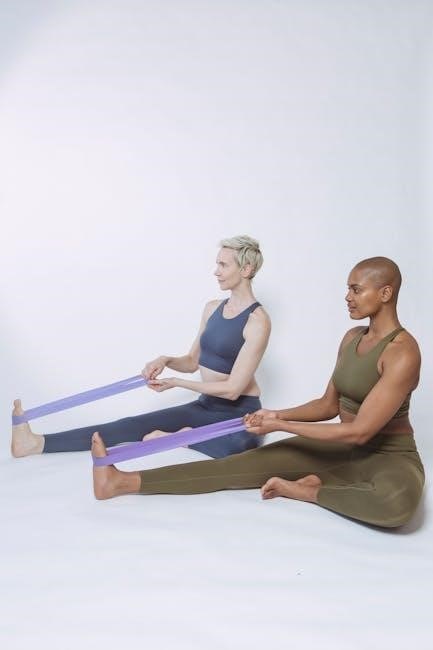
Resistance bands offer a convenient, affordable way to sculpt your upper body at home, proving effective for building strength without bulky weights or gym access․
Benefits of Using Resistance Bands
Resistance bands present a multitude of advantages for upper body training․ Their portability allows workouts anywhere, eliminating gym commutes and costs․ They’re incredibly versatile, accommodating all fitness levels through adjustable resistance․ Unlike fixed-weight dumbbells, bands provide variable resistance – becoming harder as they stretch, maximizing muscle engagement throughout the entire range of motion․
This unique characteristic enhances muscle activation and promotes functional strength․ Bands are also joint-friendly, reducing stress compared to heavier weights․ They’re excellent for rehabilitation, assisting with controlled movements and building strength post-injury․ Furthermore, resistance bands are a cost-effective alternative to expensive gym equipment, making strength training accessible to everyone․
Why Choose Resistance Bands Over Weights?
Resistance bands offer distinct advantages over traditional weights, particularly for home workouts․ While dumbbells and machines are effective, bands provide variable resistance, challenging muscles differently throughout each exercise․ This constant tension can lead to greater muscle activation and improved functional strength․
Bands are significantly more affordable and space-saving, ideal for smaller living spaces․ They’re also kinder to joints, reducing the risk of injury, especially for beginners or those recovering from physical limitations․ Bands facilitate a wider range of motion in some exercises, enhancing flexibility alongside strength․ Ultimately, they provide a convenient, effective, and accessible path to upper body development․

Essential Resistance Bands for Upper Body Training
Selecting the right bands is crucial; loop, tube, and figure-8 varieties offer diverse training options for a comprehensive upper body resistance workout․
Types of Resistance Bands (Loop, Tube, Figure 8)
Loop bands, also known as mini bands, are short, circular bands ideal for lateral movements and adding intensity to exercises like squats and glute bridges, indirectly supporting upper body stability․ Tube bands with handles are incredibly versatile, perfect for mimicking weight machine exercises like chest presses, rows, and bicep curls, offering adjustable resistance․
Figure 8 bands provide a unique challenge, excellent for rotational movements and rehabilitation exercises, engaging stabilizing muscles in the shoulders and back․ Choosing the right type depends on your fitness goals and the specific exercises you plan to perform․ Each band type offers a distinct advantage, allowing for a well-rounded upper body resistance training program․ Consider a variety pack to maximize your workout options!
Choosing the Right Resistance Level
Selecting the appropriate resistance is crucial for effective and safe upper body workouts․ Beginners should start with light resistance, focusing on proper form before increasing intensity․ You should feel challenged but maintain control throughout each exercise․
Resistance levels are typically color-coded – yellow (extra light), red (light), blue (medium), black (heavy), and silver (extra heavy)․ If you can easily complete 15-20 repetitions with good form, it’s time to increase the resistance․ Conversely, if you struggle to perform 8-10 repetitions, choose a lighter band․ Having a set of varying resistances allows for progressive overload, essential for continued muscle growth and strength gains․

Warm-Up Exercises
Prepare your muscles with dynamic stretches like arm circles and rotations, increasing blood flow and flexibility before your resistance band upper body workout․
Dynamic Stretching for Shoulders
Prioritize shoulder preparation before your resistance band session with focused dynamic stretches․ Begin with arm circles – small, then gradually larger – both forward and backward, for approximately 30 seconds each direction․ This enhances range of motion and warms the shoulder joint․
Follow with shoulder rotations, gently twisting your torso while keeping your arms relaxed․ Incorporate cross-body arm swings, swinging one arm across your body and then the other, promoting flexibility․
These movements increase blood flow to the muscles, reducing injury risk and optimizing performance․ Remember to perform these stretches with controlled movements, avoiding any sharp or jerky motions․ A well-prepared shoulder is crucial for effective and safe resistance band training․
Arm Circles and Rotations
Enhance shoulder mobility and prepare for upper body resistance band exercises with focused arm circles and rotations․ Start with small, controlled arm circles, gradually increasing the diameter over 30 seconds․ Perform these both forward and backward, feeling a gentle stretch in your shoulder muscles․
Next, incorporate torso rotations, keeping your feet planted and gently twisting your upper body․ Allow your arms to swing naturally, promoting flexibility and warming up the rotational muscles․
These dynamic movements improve blood flow and prepare your shoulders for the demands of resistance training, minimizing injury risk and maximizing workout effectiveness․
Chest Exercises with Resistance Bands
Target your pectoral muscles effectively with resistance band chest presses, flyes, and assisted push-ups – building strength and definition without traditional weights․
Resistance Band Chest Press
The resistance band chest press is a fantastic alternative to barbell or dumbbell presses, offering a similar strengthening effect with greater portability․ Secure the band behind your back, anchoring it under your armpits or around your upper back․ Lie on your back with knees bent and feet flat on the floor․
Grip the band ends with palms facing forward․ Extend your arms straight above your chest, mimicking a traditional chest press․ Slowly lower the band towards your chest, maintaining control throughout the movement; Push the band back to the starting position, focusing on contracting your chest muscles․ Adjust band tension by changing grip width or using a heavier band for increased challenge․ Aim for 3 sets of 10-12 repetitions․
Resistance Band Flyes
Resistance band flyes effectively target the chest muscles, promoting a wider and more defined pectoral appearance․ Secure the band around your back, positioning it just below your shoulder blades․ Lie on your back with knees bent and feet flat on the floor, holding one end of the band in each hand․
Start with your arms extended above your chest, palms facing each other, and a slight bend in your elbows․ Slowly lower your arms out to the sides, maintaining the elbow bend, until you feel a stretch in your chest․ Bring your arms back to the starting position, squeezing your chest muscles together․ Perform 3 sets of 12-15 repetitions, adjusting band resistance as needed․
Resistance Band Push-Ups (Assisted)
Resistance band assisted push-ups are excellent for beginners or those struggling with full push-ups, providing support and making the exercise more accessible․ Loop a resistance band around your back and under both hands, positioning it across your upper back․ Assume a standard push-up position with hands shoulder-width apart․
Lower your chest towards the floor, keeping your body in a straight line․ The band will assist in the upward movement, reducing the load․ Push back up to the starting position, focusing on controlled movements․ Perform 3 sets of as many repetitions as possible (AMRAP), gradually increasing repetitions as strength improves․

Back Exercises with Resistance Bands
Resistance bands effectively target back muscles, improving posture and strength; rows, pulldowns, and face pulls are key exercises for a sculpted, stronger back․
Resistance Band Rows
Resistance band rows are a fantastic exercise for building upper back strength and improving posture․ Secure the band around a stable object – a sturdy table leg or door anchor works well․ Sit on the floor with your legs extended, holding the ends of the band․ Maintaining a straight back, pull the band towards your torso, squeezing your shoulder blades together․
Focus on controlled movements, resisting the band’s pull during the release․ This exercise effectively targets the rhomboids, trapezius, and lats․ Varying the band resistance allows for progressive overload, ensuring continued muscle development․ Proper form is crucial; avoid rounding your back or using momentum to complete the movement․ Aim for 3 sets of 10-15 repetitions for optimal results․
Resistance Band Pulldowns
Resistance band pulldowns mimic the traditional lat pulldown exercise, effectively working the back and biceps․ Securely anchor the band overhead – a sturdy door frame or pull-up bar is ideal․ Kneel or sit facing the anchor point, grasping the band with an overhand grip, slightly wider than shoulder-width․
Pull the band down towards your upper chest, keeping your elbows close to your body and squeezing your shoulder blades together․ Control the upward movement, resisting the band’s tension․ This exercise builds strength in the lats, biceps, and rear deltoids․ Adjust band resistance to match your fitness level․ Perform 3 sets of 10-15 repetitions․
Resistance Band Face Pulls
Resistance band face pulls are excellent for strengthening the rear deltoids, upper back, and improving posture․ Anchor the band at chest height․ Grasp the band with an overhand grip, palms facing each other․ Step back until there’s tension in the band․
Pull the band towards your face, separating your hands as you do so, and focusing on squeezing your shoulder blades together․ Keep your elbows high and pointed outwards․ This movement targets often-neglected muscles, promoting shoulder health and stability․ Aim for 3 sets of 15-20 repetitions, focusing on controlled movements․

Shoulder Exercises with Resistance Bands
Resistance bands effectively target shoulder muscles, enhancing strength and stability through versatile exercises like lateral raises and overhead presses for sculpted shoulders․
Resistance Band Lateral Raises
Resistance band lateral raises are fantastic for isolating the medial deltoid, contributing to broader shoulders and improved upper body definition․ Stand on the band with feet shoulder-width apart, holding the handles with palms facing your body․ Keeping a slight bend in your elbows, raise your arms out to the sides until they reach shoulder height․
Focus on controlled movements, resisting the band’s pull throughout the exercise․ Slowly lower your arms back to the starting position․ This exercise is excellent for building shoulder width and improving overall upper body strength․ Ensure proper form to avoid injury; avoid swinging or using momentum․ Start with a lighter resistance band and gradually increase as you get stronger․
Resistance Band Front Raises
Resistance band front raises effectively target the anterior (front) deltoids, contributing to well-rounded shoulder development and improved upper body aesthetics․ Stand on the band with feet shoulder-width apart, gripping the handles with palms facing your thighs․ Maintaining a slight bend in your elbows, lift your arms straight out in front of you to shoulder height․
Concentrate on controlled movements, resisting the band’s tension throughout the lift․ Slowly lower your arms back to the starting position․ This exercise enhances shoulder strength and stability․ Prioritize proper form to prevent injury; avoid swinging or jerking motions․ Begin with a lighter band and progressively increase resistance as your strength improves․
Resistance Band Overhead Press
Resistance band overhead presses are a fantastic exercise for building strong, defined shoulders․ Secure the band under your feet, and grip the handles with palms facing forward․ Keeping your core engaged and back straight, press the band upwards, extending your arms overhead until they are almost fully locked out․
Focus on controlled movement throughout the entire range of motion․ Slowly lower the band back to the starting position, resisting the pull of the band․ This exercise effectively targets the deltoids and triceps․ Choose a resistance level that challenges you while maintaining proper form to maximize results and minimize injury risk․
Bicep Exercises with Resistance Bands
Resistance bands effectively target biceps, offering adjustable tension for curls and hammer curls, building strength and definition without needing dumbbells․
Resistance Band Bicep Curls
To perform resistance band bicep curls, stand on the middle of the band with feet shoulder-width apart, holding the handles with palms facing forward․ Keep your elbows close to your sides throughout the exercise․ Slowly curl the band upwards towards your shoulders, squeezing your biceps at the top of the movement․
Control the descent back to the starting position, resisting the pull of the band․ Focus on maintaining proper form to maximize bicep engagement and prevent injury․ Adjust the resistance by changing your foot placement – closer for more resistance, further for less․ Aim for 3 sets of 12-15 repetitions for optimal results․ This exercise is a fantastic alternative to dumbbell curls, providing consistent tension throughout the range of motion․
Resistance Band Hammer Curls
For resistance band hammer curls, begin by standing on the band, feet shoulder-width apart, gripping the handles with a neutral grip – palms facing each other․ Maintain a stable core and keep your elbows tucked in close to your body․ Curl the band upwards, keeping your palms facing each other throughout the entire movement, mimicking a hammer grip․
Focus on contracting your biceps and forearms as you lift the band․ Slowly lower the band back to the starting position, controlling the resistance․ This variation targets the brachialis and brachioradialis muscles alongside the biceps, promoting overall arm development․ Perform 3 sets of 12-15 repetitions for effective results․

Tricep Exercises with Resistance Bands
Target your triceps effectively with resistance bands, offering versatile exercises for sculpting the back of your arms at home or on the go․
Resistance Band Tricep Extensions
Resistance band tricep extensions are a fantastic way to isolate and strengthen the triceps muscles, contributing to toned and defined arms․ Secure the band under your feet or to a stable object․ Holding the band with an overhand grip, extend your arms overhead, keeping your elbows close to your head․
Slowly bend your elbows, lowering the band behind your head, and then powerfully extend back to the starting position․ Focus on squeezing the triceps at the top of the movement․ This exercise mimics a dumbbell tricep extension but utilizes the constant tension of the resistance band for a challenging workout․ Maintain a controlled tempo throughout the exercise to maximize muscle engagement and prevent injury․ Varying band resistance allows for progressive overload as you get stronger․
Resistance Band Tricep Kickbacks
Resistance band tricep kickbacks effectively target the triceps, promoting muscle definition and strength․ Secure one end of the resistance band under your foot, and grasp the other end with your hand, elbow bent at 90 degrees․ Keeping your upper arm stationary and close to your body, extend your forearm backward, squeezing the triceps at the peak contraction․
Slowly return to the starting position, maintaining control throughout the movement․ This exercise isolates the triceps, making it ideal for focused muscle development․ Adjust the band tension to match your strength level․ Proper form is crucial – avoid swinging your body or using momentum to complete the kickback․

Cool-Down and Stretching
Post-workout recovery is vital; static stretches targeting chest, back, shoulders, biceps, and triceps enhance flexibility and reduce muscle soreness after resistance band training․
Static Stretching for Upper Body Muscles
Following your resistance band workout, dedicate time to static stretching to improve flexibility and aid recovery․ Hold each stretch for 20-30 seconds, focusing on controlled breathing․ For the chest, clasp hands behind your back and gently lift arms․
To stretch your back, reach arms forward and round the spine․ Shoulder stretches include cross-body arm pulls and overhead triceps stretches․ Bicep stretches can be performed by extending the arm and gently pulling fingers back․
Finally, tricep stretches involve reaching one arm overhead and bending at the elbow, gently pulling the elbow towards the opposite side․ Consistent static stretching minimizes muscle soreness and enhances long-term gains․
Importance of Post-Workout Recovery
Post-workout recovery is crucial for muscle repair and growth after your resistance band session․ Prioritize adequate hydration by replenishing fluids lost during exercise․ Consuming protein within 30-60 minutes post-workout supports muscle protein synthesis, aiding in recovery․
Don’t underestimate the power of sleep – aim for 7-9 hours nightly to allow your body to fully recover and rebuild․ Active recovery, like light walking, can improve blood flow and reduce muscle soreness․
Ignoring recovery can lead to overtraining, increased risk of injury, and plateaus in your progress․ Listen to your body and adjust your routine accordingly․
Creating a Resistance Band Workout Routine
Tailor your routine to your fitness level – beginner, intermediate, or advanced – and progressively increase resistance for continuous muscle challenge and growth․
Sample Workout Schedule (Beginner, Intermediate, Advanced)
Beginner (3x/week): Focus on foundational movements․ Perform 3 sets of 10-12 reps of Band Chest Press, Rows, and Bicep Curls with light resistance․ Include Lateral Raises and Tricep Extensions, prioritizing form․ Rest 60-90 seconds between sets․
Intermediate (4x/week): Increase resistance and volume․ Implement 3-4 sets of 12-15 reps, incorporating Flyes, Pulldowns, and Hammer Curls․ Add Overhead Press and Tricep Kickbacks․ Reduce rest to 45-60 seconds․ Consider split routines (e․g․, Push/Pull)․
Advanced (5x/week): Maximize intensity with 4 sets of 15-20 reps, utilizing heavier bands and techniques like drop sets․ Include Face Pulls and assisted Push-Ups․ Focus on complex movements and minimal rest (30-45 seconds)․ Prioritize progressive overload․
Progressive Overload with Resistance Bands
Progressive overload is crucial for continued muscle growth․ With bands, this isn’t always about “heavier” weight․ Initially, increase reps – aim for the higher end of your rep range․ Then, progress to a heavier resistance band when the current band feels too easy for the target reps․
You can also manipulate tempo (slower eccentrics) or reduce rest times to increase intensity․ Combining bands of different resistances mid-set (drop sets) is another effective technique․ Finally, consider increasing the number of sets performed for each exercise, gradually challenging your muscles further;

Safety Considerations
Prioritize proper form and regularly inspect bands for cracks or tears before each workout to prevent injuries and maximize effectiveness․
Proper Form and Technique
Maintaining correct form is paramount when using resistance bands for upper body workouts․ Focus on slow, controlled movements throughout each exercise, engaging the targeted muscle groups fully․ Avoid snapping or jerking motions, as these can lead to injury and reduce effectiveness․
Keep your core engaged to stabilize your body and protect your spine․ Ensure the band is securely anchored or held, preventing slippage during exercises․ Pay attention to your body’s alignment – shoulders back and down, chest open, and a neutral spine․
If you’re new to resistance band training, start with lighter bands and fewer repetitions, gradually increasing the intensity as your strength improves․ Watching videos demonstrating proper technique can be incredibly helpful, ensuring you’re performing each exercise safely and effectively․
Checking Band Integrity
Regularly inspect your resistance bands for any signs of wear and tear before each workout․ Look closely for cracks, tears, or punctures, especially in areas that experience the most stress․ Discard bands that show any damage, as they can snap during use, causing injury;
Avoid exposing bands to direct sunlight or extreme temperatures, as this can degrade the latex and weaken their elasticity․ Store them in a cool, dry place away from sharp objects․
Before starting your routine, gently stretch the band to assess its resistance and ensure it feels firm and responsive․ If a band feels brittle or loses its snap, it’s time for a replacement․ Prioritizing band safety is crucial for a secure workout․